
Bridging the Visibility Gap: Master Your Inbound Container Scheduling

In the world of global logistics, Real-Time Transportation Visibility (RTTV) has become the gold standard. However, many companies are discovering a frustrating reality: visibility often stops at the port. While you can see your container crossing the ocean, the inland flow remains a "black hole" where data silos lead to financial volatility and operational chaos.
Streamliner acts as the strategic missing link, extending your visibility stack to provide true door-to-door control.
Why Inland Visibility is Your Biggest Opportunity
The transition from the port to the warehouse is where costs often spiral out of control. Streamliner transforms this process into a predictable, reliable flow through several key pillars:
Granular D&D Mastery: Most TMS systems lack the detailed contract logic needed to manage specific Demurrage and Detention (D&D) rates. Streamliner tracks these rates at the shipping line and port level, giving you a real-time view of remaining free time so you can prioritize containers before costs escalate.
Intelligent Empty Returns: Often, transport companies return the "easiest" container to access rather than the one with the shortest free time. Streamliner bridges the gap between your TMS and physical warehouse reality to ensure the highest-risk containers are returned first.
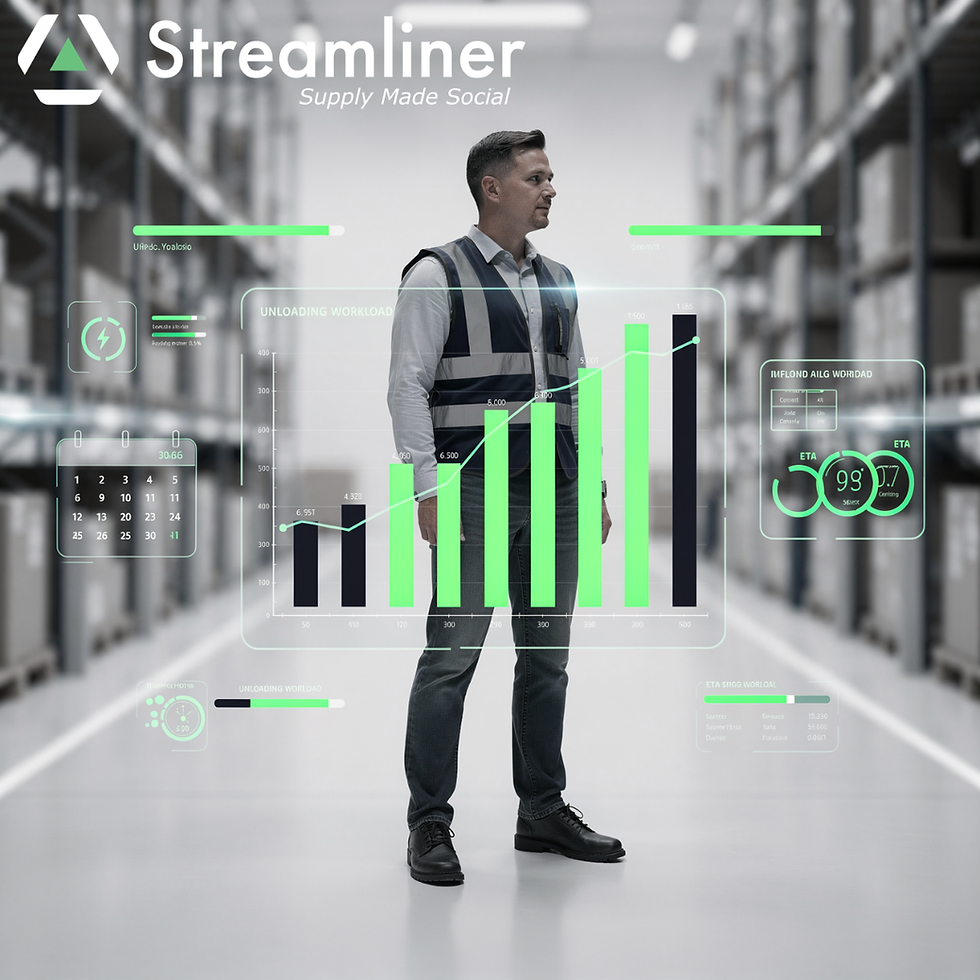
Operational Agility: By moving the visibility horizon forward, your warehouses and factories see expected workloads the moment a container departs its origin. This allows for proactive staffing and storage planning rather than reactive firefighting.
Multi-modal Optimization: Streamliner allows you to select final routes—such as barge for lower-priority stock—based on the commercial priority and content of the container (PO numbers, articles, and quantities).
By connecting all stakeholders via a single control tower, companies can reduce their annual D&D spend by 50% to 75%. It’s time to stop watching your containers reach the port and start controlling them until they reach your door.


Comments